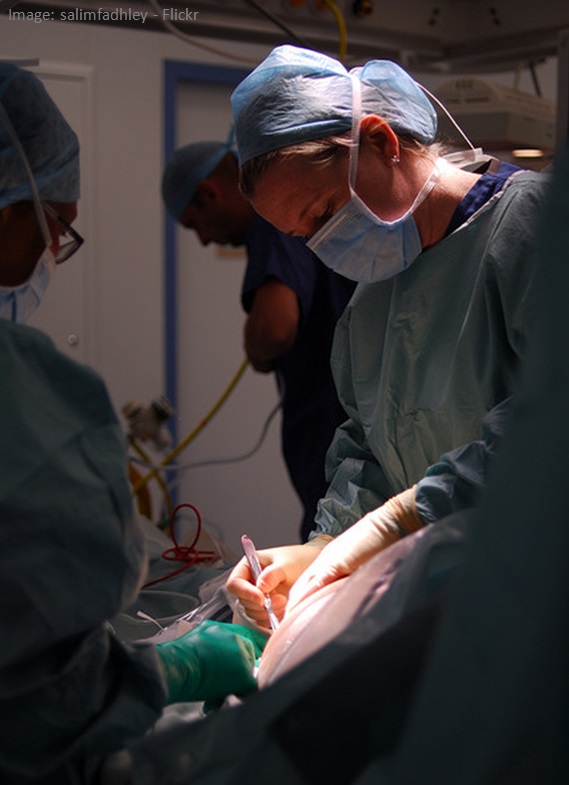
Demand for flexible surgical training
In Australia, the demand for part-time surgical trainees is still thought to be markedly unmatched by the actual number of trainees who would like their training to be part-time.
In a study conducted through surveying 659 students of the Royal Australasian College of Surgeons (RACS) in 2010. From the batch, 31% expressed interest in part-time surgical training but only 0.3% of the group actually does the part-time training in hospitals.
The big difference in those interested from the actual part-time trainees may cause a severe blow in the number of surgeons working in hospitals in the long run. The study discusses that factors for the lowered rates of trainees may include: the prolonged training in the field, the complexity of negotiating part-time contracts with hospitals, and the trade off in benefits and salary.
Associate Professor Susan Neuhaus from Royal Adelaide Hospital and University of Adelaide’s Department of Surgery made her own research to demonstrate how the Royal Adelaide Hospital established a training position in 2007 which was a “stand-alone” part-time training position. It offered a 12-month long general surgical training on a 0.5 full-time equivalent basis which was accredited for 6 months of general surgical training. Neuhaus and her co-authors concluded that a more flexible hospital position may be developed to suit the needs of the trainees better, be it in their school work or in the units they need to pass.
To address the general issue of the low trainee rates, Neuhaus thinks the myth about how the lengthy hours in surgery equals competence should be broken and disproven. Also, the entire profession can be made stronger and better by diversity.
In the same study involving the students of RACS, it was seen that 28% of the trainees were women. This rate is a huge chunk compared to the 8% of the actual practicing surgeons which are women as well. At this rate, the workforce is seen to be transitioning as more women are interested in flexible training.
Hospitals can build on more flexible surgical training positions, colleges can help make the transition from school to hospital a bit more easier on those who are interested to apply for training, and the entire profession can contribute in making the field more adaptive to changes in the workforce demographics.